Install Sunflower on Alibaba Cloud ECS:How do I install Sunflower on an Alibaba Cloud ECS instance?
Q: How do I install Sunflower on an Alibaba Cloud ECS instance?
A: To install Sunflower on an Alibaba Cloud ECS instance, first connect to your server via SSH using the public IP and your key pair or password. Update the system packages with apt update or yum update depending on your OS. Then install the required dependencies such as Python, pip, and a web server like Nginx. Download the Sunflower source code or package, extract it to your preferred directory, configure the database and environment variables, and set up a systemd service for automatic startup. Finally, open the necessary ports in the ECS security group and test access via your browser.
Q: What are the prerequisites for installing Sunflower on Alibaba Cloud ECS?
A: Before installing Sunflower on Alibaba Cloud ECS, ensure you have a running ECS instance with a supported operating system like Ubuntu, CentOS, or Alibaba Cloud Linux. You need SSH access, root or sudo privileges, and at least 2GB RAM for smooth operation. Install Python 3, pip, and a database such as MySQL or PostgreSQL. Configure the ECS security group to allow inbound traffic on the ports Sunflower uses, typically 80 and 443. Also, make sure your domain name resolves to the ECS public IP if you plan to use HTTPS with a certificate.
Q: How do I configure the Alibaba Cloud ECS security group for Sunflower?
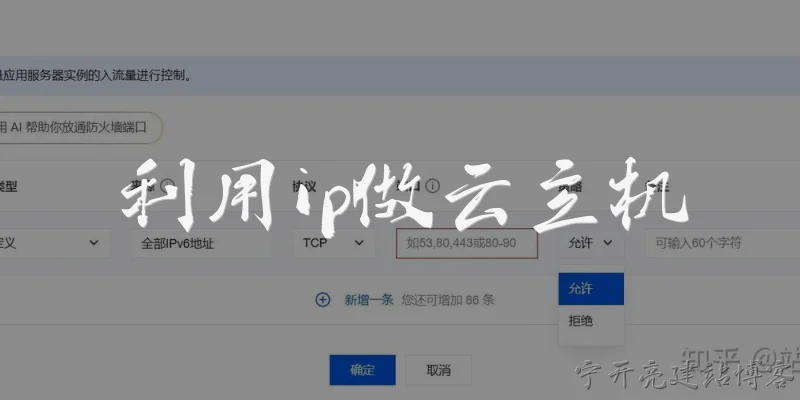
A: To configure the security group for Sunflower on Alibaba Cloud ECS, log in to the Alibaba Cloud console and navigate to ECS > Security Groups. Select the security group associated with your instance and add inbound rules. Allow HTTP traffic on port 80 and HTTPS on port 443 for web access. If Sunflower uses a custom port, add that as well. Restrict SSH access on port 22 to your IP address for security. Save the rules and verify connectivity by accessing Sunflower through your browser using the ECS public IP or domain name.
Q: How do I troubleshoot common issues when installing Sunflower on Alibaba Cloud ECS?
A: Common issues when installing Sunflower on Alibaba Cloud ECS include firewall blocks, missing dependencies, and permission errors. First, check the ECS security group rules to ensure the required ports are open. Verify that all dependencies like Python, pip, and database services are installed and running. Review Sunflower logs for error messages, typically found in /var/log or the html">application directory. If the service fails to start, check systemd status with systemctl status sunflower. Also confirm the database connection settings and ensure the ECS instance has sufficient disk space and memory.
Q: How do I set up HTTPS for Sunflower on Alibaba Cloud ECS?
A: To set up HTTPS for Sunflower on Alibaba Cloud ECS, first point your domain's DNS A record to the ECS public IP. Install a web server like Nginx or Apache and obtain an SSL certificate from Let's Encrypt using Certbot or purchase one from Alibaba Cloud SSL Certificates. Configure the web server to proxy requests to Sunflower's backend port and enable SSL with the certificate paths. Open port 443 in the ECS security group, then restart the web server. Verify HTTPS access by visiting your domain, and set up automatic certificate renewal for continued security.

Words of experience
Common scenarios of "Install Sunflower on Alibaba Cloud ECS"
【User】 Hi, I need help installing Sunflower on my Alibaba Cloud ECS instance. Can you guide me through it?
【Assistant】 Of course! Sunflower is a remote desktop tool. Are you planning to install the Sunflower client or the controlled end on your ECS?
【User】 I want to install the controlled end so I can access the ECS desktop remotely from my local computer.
【Assistant】 Got it. First, make sure your ECS instance has a desktop environment installed, such as GNOME or XFCE. Do you have one?
【User】 I think it's a CentOS 7 system with GNOME. Is that okay?
【Assistant】 Yes, CentOS 7 with GNOME works. You'll need to download the Sunflower Linux version. Go to the official Sunflower website and get the appropriate package.
【User】 I see a .deb package and a .rpm package. Which one should I use?
【Assistant】 For CentOS, use the .rpm package. You can download it using wget. For example: wget https://example.com/sunflower.rpm (replace with the actual URL).
【User】 Okay, I've downloaded the rpm file. How do I install it?
【Assistant】 Run: sudo rpm -ivh sunflower.rpm. If there are dependency errors, use sudo yum install -y epel-release and then sudo yum install -y dependencies.
【User】 It installed without errors. Now what?
【Assistant】 You need to start the Sunflower service. Usually, you can run it from the application menu or via command line: sunflower. But on a headless server, you might need to configure it to run with a virtual display.
【User】 I have GNOME, so there is a display. But I'm connecting via SSH. How do I launch the GUI?
【Assistant】 You can use SSH X11 forwarding or VNC to access the desktop. Alternatively, start Sunflower with a virtual display using xvfb-run. For simplicity, set up a VNC server first to access the desktop, then run Sunflower.
【User】 That sounds complicated. Is there an easier way?
【Assistant】 Another option: Sunflower has a command-line mode? Actually, the controlled end typically requires a GUI. You can install a lightweight desktop like XFCE and use xrdp to connect via RDP, then run Sunflower inside that session.
【User】 I already have GNOME. Can I just use xrdp to connect and then open Sunflower?
【Assistant】 Yes, that works. Install xrdp: sudo yum install -y xrdp, start it: sudo systemctl start xrdp, enable it: sudo systemctl enable xrdp. Then connect via RDP from your local machine using the ECS public IP.
【User】 Great, I'll try that. After connecting via RDP, I just open Sunflower from the applications menu?
【Assistant】 Exactly. Launch Sunflower, set a access password, and note the Sunflower ID. Then from your local computer, install the Sunflower client and enter the ID and password to connect.
【User】 Do I need to open any ports in the Alibaba Cloud security group?
【Assistant】 Yes, Sunflower uses port 4489 by default for the controlled end. Make sure your security group allows inbound TCP 4489. Also, for RDP, allow TCP 3389.
【User】 I've added those rules. Now when I try to connect from my local Sunflower client, it says connection timeout.
【Assistant】 Check if the Sunflower service is running on the ECS: ps aux | grep sunflower. Also ensure the ECS firewall (firewalld) is not blocking: sudo firewall-cmd --add-port=4489/tcp --permanent && sudo firewall-cmd --reload.
【User】 I checked, Sunflower is running and firewall is open. Still timeout.
【Assistant】 Is the ECS instance's public IP correctly entered in the client? Also, verify that the security group rule is applied to the correct instance. Sometimes rules take a minute to propagate.
【User】 I double-checked. Maybe Sunflower is listening only on localhost? How to check?
【Assistant】 Run netstat -tlnp | grep 4489. If it shows 127.0.0.1:4489, it's bound to localhost. You need to configure Sunflower to listen on 0.0.0.0. Check its settings or config file.
【User】 I see it's listening on 127.0.0.1. How do I change that?
【Assistant】 In Sunflower's settings, look for a network or listen address option. If not available, you might need to edit its config file (often in /etc/sunflower or ~/.config/sunflower). Set the bind address to 0.0.0.0 and restart the service.
【User】 I found a config file at /etc/sunflower/config.json. I changed "bind" to "0.0.0.0" and restarted. Now netstat shows 0.0.0.0:4489. Let me try connecting again.
【Assistant】 Great! Let me know if it connects.
【User】 It connected! I can see the ECS desktop. Thanks for your help!
【Assistant】 You're welcome! Remember to keep the Sunflower version updated and use strong passwords. Enjoy your remote access!