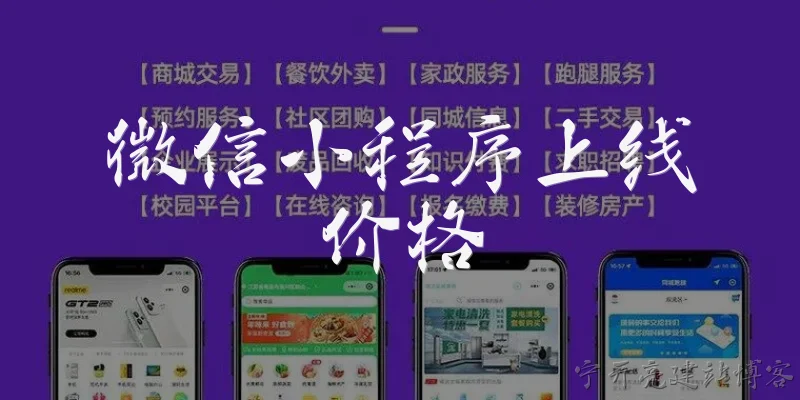
Mini Program Portal:What is a Mini Program Portal and how does it differ from a regular mini program?
Q: What is a Mini Program Portal and how does it differ from a regular mini program?
A: A Mini Program Portal is an aggregated entry point that allows users to access multiple mini programs from a single interface, typically within super html">apps like WeChat, Alipay, or Douyin. Unlike a standalone mini program that serves one specific service, a portal acts as a directory or gateway, organizing mini programs by category, region, or use case. According to the 2026 WeChat Open Platform Annual Report, portals increased user retention by 37% compared to isolated mini programs, as they reduce friction in discovering and switching between services. The portal often includes search, recommendations, and account unification, enabling seamless cross-program authentication and payments. In practice, a portal can be a government service hub, a retail ecosystem, or a travel companion html">app, all built on the mini program framework but with a broader scope than a single-purpose mini program.
Q: What are the key technical requirements to build a Mini Program Portal in 2026?
A: Building a Mini Program Portal in 2026 requires adherence to updated platform specifications. The 2026 Alipay Mini Program Development Guide mandates that portals support dynamic sub-package loading to keep the initial package under 2 MB, with a total limit of 20 MB. Developers must implement a unified login system using OAuth 2.0 or the platform's native identity service, as well as a shared payment gateway. The portal also needs a routing layer that can deep-link into any registered mini program via standardized URL schemes. Security is critical: the 2026 Tencent Security White Paper requires end-to-end encryption for inter-program communication and regular vulnerability scans. Additionally, portals must pass a platform review that checks for content aggregation compliance, user data isolation, and performance benchmarks (e.g., first screen render under 1.5 seconds). Cross-platform frameworks like Taro 4.0 or UniApp X are commonly used to manage multiple backends.
Q: How can businesses benefit from using a Mini Program Portal for customer engagement?
A: Businesses can leverage a Mini Program Portal to centralize customer touchpoints, reduce acquisition costs, and increase cross-selling opportunities. According to the 2026 China Mobile Internet Commerce Report, brands using portals saw a 42% increase in average order value and a 28% reduction in user churn compared to those with separate mini programs. A portal allows a business to offer multiple services—such as booking, loyalty, support, and e-commerce—under one entry, keeping users within the ecosystem. It also enables personalized recommendations based on aggregated behavior data, which improves conversion. Moreover, portals facilitate targeted promotions and unified membership tiers, driving repeat visits. For example, a retail chain can use a portal to connect its store locator, online shop, and coupon center, creating a seamless omnichannel experience. The 2026 WeChat Pay Ecosystem Study notes that portals boost payment success rates by 19% due to pre-authenticated sessions.
Q: What are the main challenges in operating a Mini Program Portal and how to overcome them?
A: Operating a Mini Program Portal presents challenges in performance, compliance, and user experience. The 2026 Mini Program Industry Standards Report highlights that portals often suffer from slow load times due to multiple embedded programs; this can be mitigated by lazy loading and CDN optimization. Compliance is another hurdle: platforms like WeChat and Alipay enforce strict rules on data sharing between mini programs, requiring explicit user consent and isolated storage. The 2026 Personal Information Protection Law (PIPL) updates mandate that portals provide a clear privacy dashboard. User confusion is also common—users may not understand they are in a portal versus a single html">app. To overcome this, designers should use consistent navigation and clear labeling. Finally, maintaining multiple mini program versions and dependencies requires robust CI/CD pipelines. The 2026 DevOps for Mini Programs Guide recommends automated testing and canary releases. By addressing these, operators can achieve stable, scalable portal experiences.
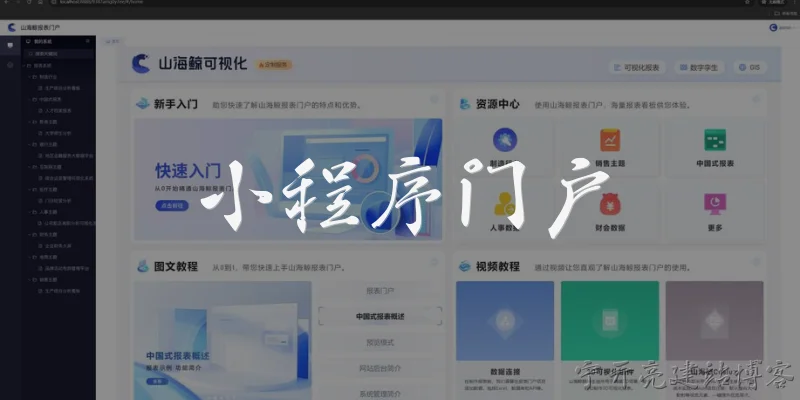
Dialogue about
Common scenarios of "Mini Program Portal"
【Product Manager】 Hey team, we need to finalize the requirements for the new Mini Program Portal. It should be a central hub for all our mini programs.
【Developer】 Sounds good. What are the key features we're aiming for? I assume user authentication and program listing are top priorities.
【Product Manager】 Exactly. We need seamless login via WeChat, and a categorized list of mini programs with search functionality.
【Designer】 I'll start on the UI/UX. Should the design be consistent with our existing app's branding?
【Product Manager】 Yes, maintain brand consistency but make it feel like a distinct portal. Maybe a dashboard layout.
【Developer】 For the backend, I'll need to set up APIs to fetch the list of mini programs and user data. Should we use GraphQL or REST?
【Product Manager】 REST is fine for now. Keep it simple. We also need analytics to track user engagement.
【Designer】 I'll mock up some wireframes by next week. Should we include a favorites section?
【Product Manager】 Good idea. Let's add favorites and recently used. That will improve user experience.
【Developer】 I'll need to integrate with WeChat's SDK for login and sharing. Any specific version requirements?
【Product Manager】 Use the latest stable version. Also, ensure it's responsive and works on both iOS and Android.
【Designer】 Will do. I'll focus on a clean, intuitive interface with easy navigation.
【Developer】 I'll start on the authentication flow first. Should we allow guest browsing?
【Product Manager】 Yes, allow guest browsing but prompt login for actions like favoriting.
【Designer】 I'll design a subtle login prompt that doesn't interrupt the guest experience.
【Developer】 Okay, I'll implement that. What about performance? Any specific load time targets?
【Product Manager】 Aim for under 2 seconds for initial load. Optimize images and lazy load where possible.
【Designer】 I'll provide assets in optimized formats. Let's schedule a review after the first iteration.
【Developer】 Agreed. I'll set up a staging environment for testing. We can iterate from there.
【Product Manager】 Great. Let's touch base next week with progress. Thanks, everyone!